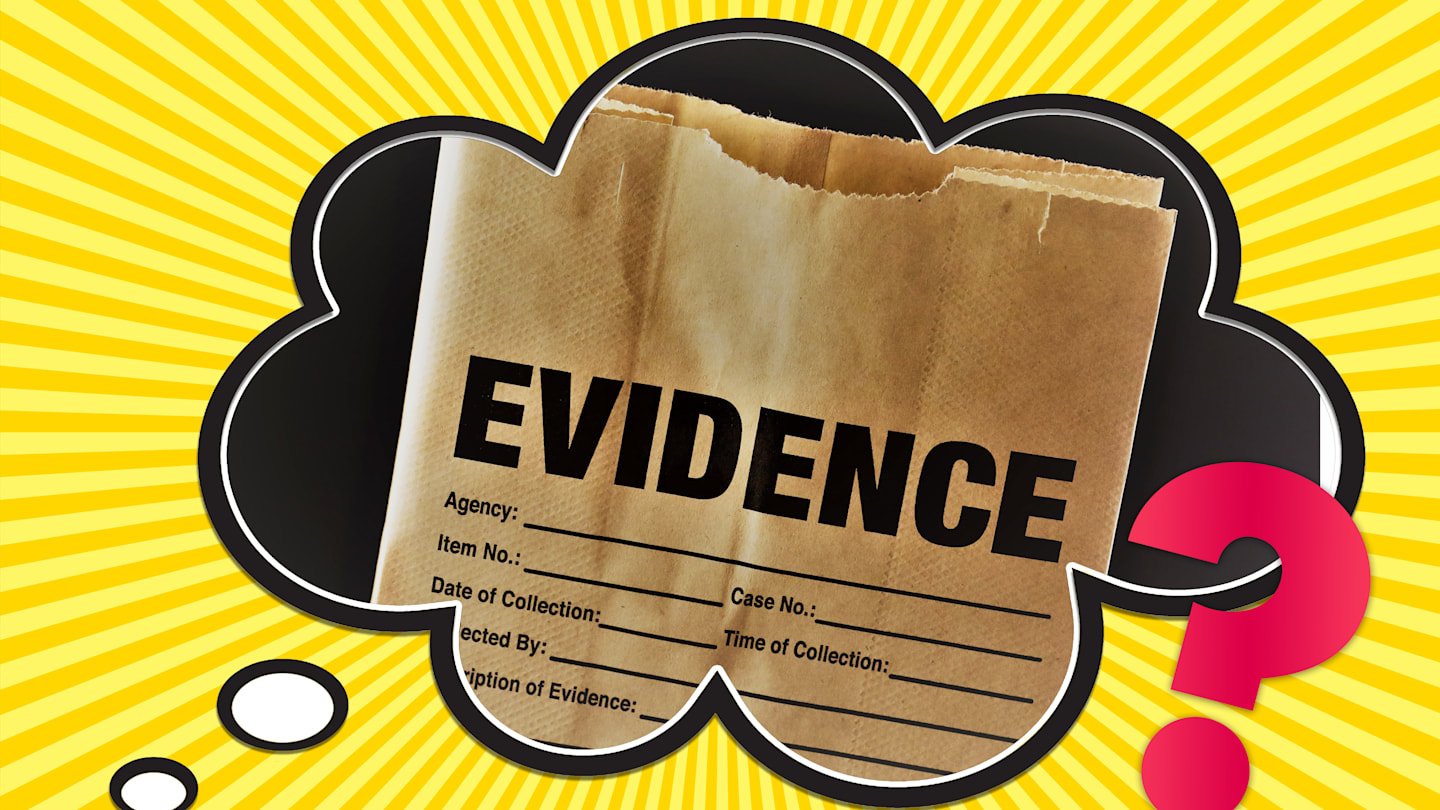
Why Is Crime Scene Evidence Collected in Paper Bags?
If you are a fan Law and order or Date lineMaybe you can shoot a typical photo crime Scene with your eyes closed: A busy street corner blocked off with yellow tape on a rainy day. Police officers carrying walkie-talkies ask curious bystanders to back off. Finally, a detective sits on someone’s chalk lines while his assistant collects evidence inside a brown paper bag.
This last detail is not fabricated specifically for the films and television He appears. Much of the evidence from real-life crime scenes is stored inside the same type of containers used to hold homemade lunches or consume alcohol in public. But just because something is common, doesn’t mean it’s self-evident: why is crucial evidence, which has the potential to make or break a case, collected in such flimsy containers?
Mold is the motive
While brown paper bags are a distinct part of forensic investigations, they are not the only type of bag used in this field. In accordance with law enforcement agency protocols, each type of evidence must be stored in a container whose materials are suitable for the preservation and handling of said evidence.
You may also like:
Add the mental thread as Favorite news source!
Shop paper bags and boxes Biological evidence like hairOr blood, saliva, semen, or fecal matter. This is because paper, unlike plastic, is porous, allowing air to circulate even when the bag is closed. If an investigator placed a blood-stained tissue inside an airtight plastic container, the moisture would have no place to evaporate. Depending on how long the container has been stored, mold can grow on the tissue, which could break down the DNA in blood cells and potentially jeopardize the entire investigation as a result.
This explains the substance, but what about the color? Most sources, including government websites and agency brochures, do not specify a color for the bags, but there is a reason they are usually brown. In general, brown paper bags are not Chemically processed Such as white paper bags, which are bleached and coated with additives that may interact with and harm the biological materials stored inside them. Using brown paper bags avoids this risk.
Paper versus plastic
What if the evidence is not organic? Plastic containers are often used to store electronic devices or tools, for example. Its transparency also makes it well-suited for storing items that could be dangerous if handled incorrectly, such as firearms. Evidence that has been burned, such as a piece of burned carpet, is placed inside a special location Fire debris bags They are made of nylon 11, a synthetic plastic that helps retain chemicals such as gasoline, kerosene or paint thinner, the presence of which can explain how fires start.

The drugs are placed inside so-called drug evidence bags with tamper evident seals, so you can see if anyone has tried to access their contents. Checks, receipts and passports end up in currency and document bags, which differ from drug bags in name only.
Procedures and protocols
Of course, storing evidence is only half the work. The other half is assembly, and there are protocols and practices for this process as well. For example, the Santa Barbara County Sheriff’s Office Forensic Unit Standard Operating Procedures stipulate that officers use a clean pair of gloves for each piece of biological evidence they handle to avoid contamination (PDF). The measure also states that biological evidence should, where possible, be allowed to air dry before storing it inside brown paper bags. If not, air drying will have to wait until it returns to the lab.
Other tools in the forensic collectorMurder bag“Includes sterile swabs, Manila envelopesScissors, razor blades, tweezers, and masks to protect investigators and prevent contamination.
While using brown paper bags may seem simple, this simple method of storing evidence is actually quite sophisticated.
Share this content:














Post Comment